

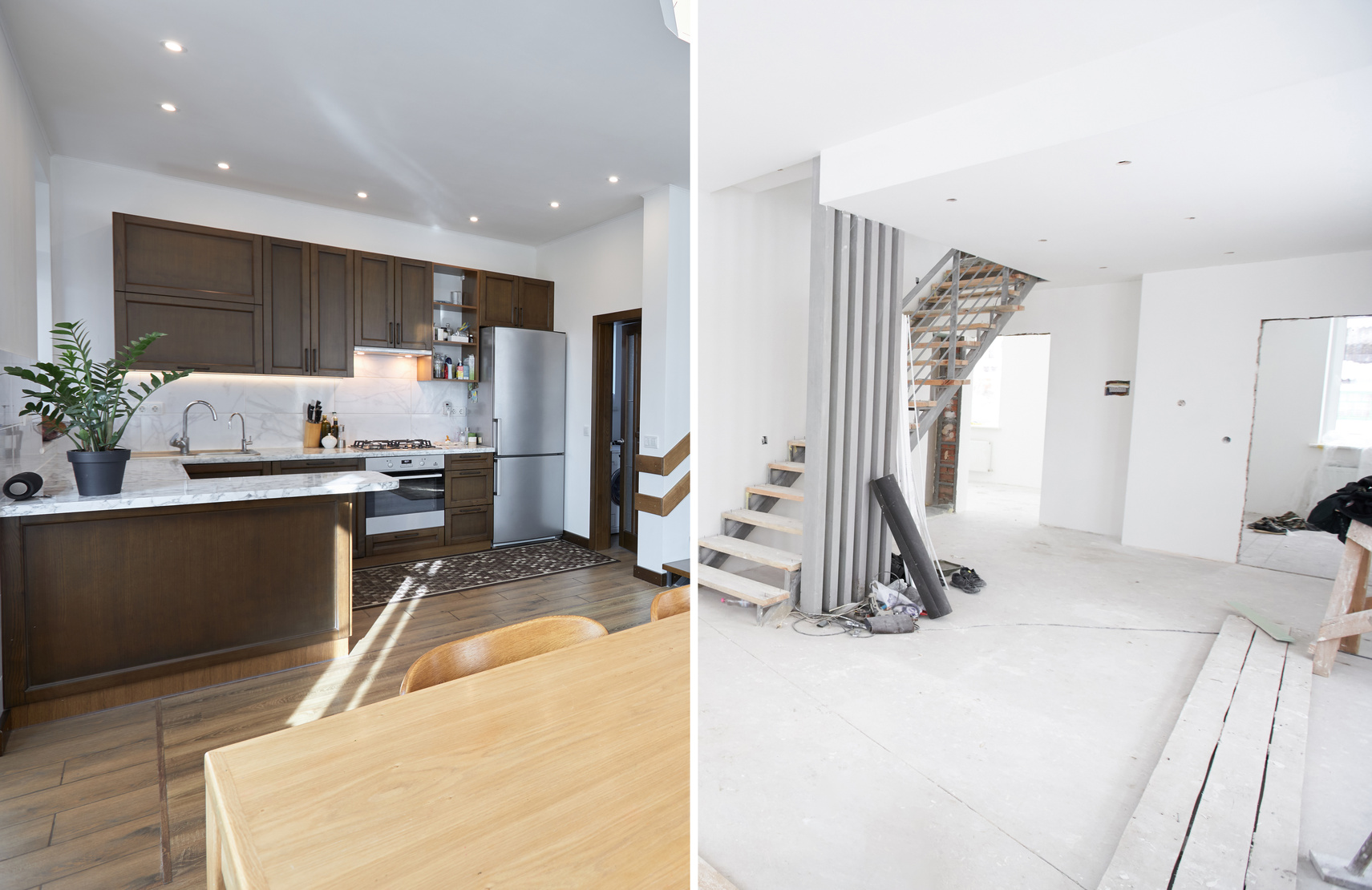
Every flip comes down to one question: after you buy the house, fix it and sell it, is there still a healthy gap left? The purchase price and the after-repair value get most of the attention, but the number in the middle, the rehab budget, is the one that surprises investors the most. Underestimate it and a deal that looked strong on paper can quietly turn into a loss.
At My Next Deal, we are direct — no middlemen. When you ask our team about a single-family home, you talk straight to the people who know the property, and we would rather see you arrive with a realistic repair budget than a hopeful guess. This guide shows you how to estimate rehab costs step by step: how to define the scope, walk a property, price each line item, add a contingency, and plug the result back into your offer.
Quick Takeaways
- The rehab budget is the least certain number in a flip, which is why it deserves the most careful work.
- Start by choosing the level of renovation that matches the neighborhood, then walk the property system by system.
- Price every line item with written, itemized bids instead of a single lump-sum guess.
- Add permits, debris removal, insurance and other soft costs, then a contingency you treat as part of the budget.
- Your rehab number feeds directly into your maximum offer. Results are never guaranteed.
Why the Rehab Estimate Matters More Than You Think
A flip has four moving parts: what you pay, what you spend on repairs, what it costs to carry the home, and what it sells for. The sale price comes from sold comparables, which our guide on how to calculate ARV using sold comps covers in detail. The purchase price is something you negotiate. The repair budget is different: it is the one input you have to build yourself, and the one that hides the most surprises.
Smart investors build their offer backward. Start with the ARV, subtract the rehab cost, the holding costs, the selling costs and the profit you need, and what is left is the most you can afford to pay. Every dollar you misjudge in the rehab line comes straight out of your profit, which is why a careful estimate is not paperwork. It is protection.
Step 1: Define the Level of Rehab
Before you price anything, decide how far the renovation will go. Most single-family flips fall into one of three levels:
- Cosmetic: paint, flooring, fixtures, cleaning, landscaping and small repairs. The home’s systems and layout stay as they are.
- Moderate: updated kitchen and bathrooms, new doors or windows, and repairs to visible wear, on top of the cosmetic work.
- Heavy: major systems, layout changes, structural work, roof replacement or repairs from water or fire damage.
The right level is not the most ambitious one. It is the one that matches what renovated homes in the neighborhood actually look like, because buyers will compare your finished flip to those sales. Spending beyond the standard of the area is one of the most common ways to lose margin.
Step 2: Walk the Property Like an Inspector
A reliable estimate starts with a thorough walkthrough. Work in a fixed order so nothing gets skipped: systems first, then structure, then finishes. Bring a flashlight, a notepad and a camera, and record a video of each room so you can review it later with your contractor.
- Roof and attic: age, visible leaks, missing or damaged shingles, signs of moisture in the attic.
- Exterior and foundation: cracks, settling, siding, soffits, gutters and how water drains away from the house.
- Cooling and heating: age and condition of the unit, ductwork and whether it runs properly.
- Plumbing: water heater, visible pipes, water pressure, stains under sinks and around fixtures.
- Electrical: the panel, outlets, switches and any signs of outdated or unsafe wiring.
- Windows and doors: operation, seals, rot and security.
- Interior: floors, walls, ceilings, and any stains, odors or soft spots that point to water.
- Kitchen and bathrooms: cabinets, counters, fixtures, layout and condition under the sinks.
- Yard: grading, trees, fencing, drainage and any outdoor features that need work.
Homes in warm, humid climates such as Florida deserve extra attention to moisture, roof condition and cooling systems. A small stain on a ceiling can point to a much larger repair, so treat anything unexplained as a question for your contractor rather than something to ignore.
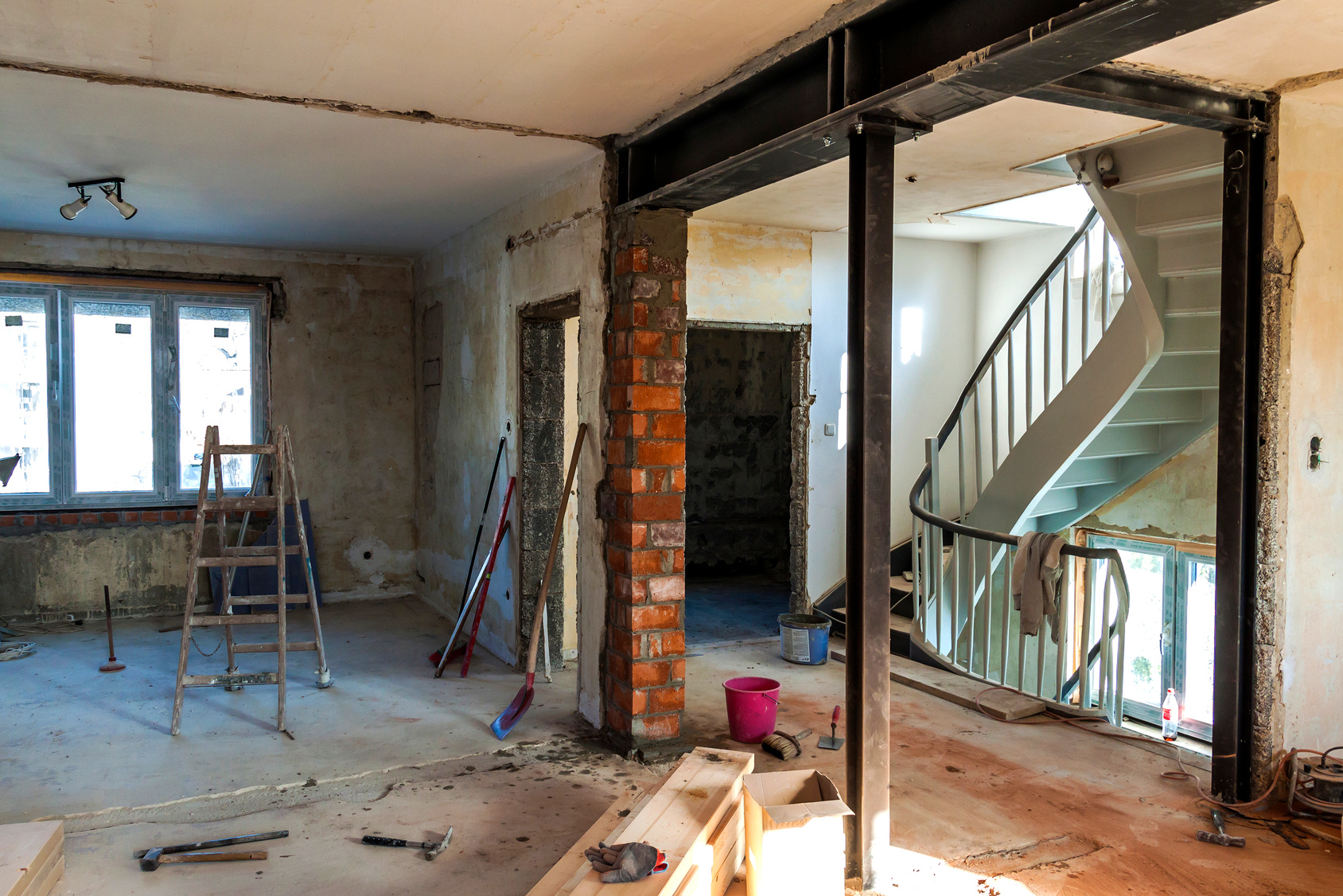
The Big-Ticket Items That Break Budgets
Paint and flooring rarely ruin a flip. The expensive surprises almost always come from a short list of items, so give these extra scrutiny during your walkthrough.
Roof
An aging roof can affect your repair budget, insurance options and what a buyer is willing to accept. If the roof is near the end of its life, plan for replacement instead of hoping it lasts through the sale.
Cooling and Heating
In much of the country a home without working air conditioning is hard to sell. Ask a licensed technician whether the existing system is worth repairing or should be replaced, and include the ductwork in that conversation.
Plumbing and Electrical
Old pipe materials, hidden leaks and outdated panels often show up only when walls or floors are opened. Ask a licensed plumber and electrician to look at the home before you commit, especially when it is an older property.
Foundation, Structure and Water Damage
Cracks, sagging floors and signs of long-term moisture can mean significant work. When you see them, bring in a qualified professional before you finalize your numbers, because this is the category where a wrong guess costs the most.
Step 3: Price Every Line Item
Once the scope is clear, turn it into numbers. Avoid a single lump sum such as “the kitchen will be fine.” Break the work into line items so you can compare, question and adjust each one.
- Collect written bids: get at least two or three bids from licensed contractors for the same scope, so you can spot an outlier in either direction.
- Ask for itemized pricing: labor and materials listed separately make it much easier to compare bids and find gaps.
- Confirm what is included: demolition, debris removal, permits, cleanup and warranty terms should all be stated clearly.
- Use your own records: if you have completed projects before, your past actual costs are some of the best data you have.
- Check material pricing: local suppliers can tell you current prices and lead times for the main materials.
The table below summarizes the main categories to review and a surprise that often hides in each one.
| Category | What to Check | A Common Surprise |
|---|---|---|
| Roof and exterior | Age, leaks, flashing, siding, gutters, paint | Damaged decking discovered once old shingles come off |
| Cooling and heating | Age, condition, ductwork, whether it runs properly | Ductwork that is damaged, missing or poorly sealed |
| Plumbing | Supply and drain lines, water heater, fixtures, leaks | Old pipe materials found behind walls |
| Electrical | Panel, wiring, outlets, safety devices | Wiring that does not meet current requirements |
| Kitchen and bathrooms | Cabinets, counters, fixtures, layout | Water damage hiding under sinks and tubs |
| Floors, walls and paint | Floor type, drywall repair, interior and exterior paint | Subfloor damage underneath old flooring |
| Windows and doors | Operation, seals, security, local code requirements | Rotted frames or openings that are out of square |
| Yard and drainage | Grading, trees, fencing, irrigation | Drainage that sends water toward the house |
Step 4: Add Permits, Fees and Soft Costs
Contractor bids cover the work, but a flip has other costs that never appear in a bid. Add them to your rehab budget so they do not show up later as surprises:
- Permits, inspections and any related fees
- Architect or engineering reports when the project needs them
- Dumpsters, debris removal and final cleaning
- Temporary utilities and site security during the work
- Insurance coverage while the property is vacant or under construction
- Project management, including your own time if you are overseeing the work
Pull permits when the work requires them. Unpermitted work can create problems at resale and with lenders, and it is rarely worth the risk.
Step 5: Build In a Contingency
No matter how careful the walkthrough, you cannot see inside walls, under floors or above ceilings. A contingency is money set aside specifically for what you could not see. The older the home and the less access you had, the more cushion it deserves.
Decide on your contingency before work starts and treat it as part of the budget, not as a bonus. If you do not need it, it becomes extra profit. If you do need it, it is the difference between a stressful project and a failed one. A deal that only works with zero contingency is not a strong deal.
Step 6: Price the Timeline, Not Just the Work
Time is a cost. Every extra month the home sits unfinished and unsold, you pay interest, taxes, insurance, utilities and upkeep. Permit lead times, material availability and contractor schedules all affect how long the project really takes, so ask your contractor for a realistic schedule and add margin for delays. The carrying costs are covered in more detail in our guide to fix and flip loans.

Estimating a Home You Cannot Visit Yet
Sometimes you need to evaluate a home before you can walk it. In that case, treat listing photos with caution, because photos show what the seller wants you to see. Ask for any inspection reports that exist, request close-up photos of the roof, electrical panel, water heater and cooling unit, and assume the worst about any room that is not pictured.
Our team works directly with buyers, so you can ask us what information is available about a specific home and what to expect before you decide. You can browse our available single-family properties or contact our team with your questions.
Rehab Estimate Template
Use this blank template for each property you analyze. Fill in the scope, the contractor bid and any notes for every category, and keep the contingency as its own line.
| Area | Scope of Work | Contractor Bid | Notes |
|---|---|---|---|
| Roof and exterior | |||
| Cooling and heating | |||
| Plumbing | |||
| Electrical | |||
| Kitchen | |||
| Bathrooms | |||
| Floors, walls and paint | |||
| Windows and doors | |||
| Yard and drainage | |||
| Permits and fees | |||
| Contingency | |||
| Total |
How the Rehab Number Connects to ARV, Financing and Your Offer
Your rehab estimate does not live on its own. It feeds three decisions at once. First, it determines your maximum offer, because it is subtracted from the ARV along with your other costs. Second, it shapes your financing, because many lenders look closely at your scope of work and release funds in stages as work is completed, as explained in our fix and flip loan guide. Third, it should fit your buy box: if you only want light renovations, a home that needs a new roof and plumbing probably belongs outside it.
Common Rehab Estimating Mistakes
- Guessing a lump sum: if you did not walk the property and list the scope, you do not have an estimate yet.
- Pricing only the cosmetics: new paint is easy to see, while roofs, plumbing and electrical are easy to forget.
- Skipping written bids: verbal numbers change, and a single bid gives you nothing to compare.
- Forgetting soft costs: permits, debris removal, utilities and insurance add up.
- Having no contingency: every renovation uncovers something unexpected.
- Over-improving: spending beyond the standard of the neighborhood rarely comes back at resale.
- Ignoring the timeline: a slower project costs more in carrying costs.
Questions to Ask Any Contractor
- Are you licensed and insured, and can you show proof?
- Is your bid itemized, and does it include materials, labor, permits and cleanup?
- What is the realistic timeline, and what could delay it?
- How do you handle change orders when something unexpected appears?
- What is your payment schedule, and how is it tied to completed work?
- Can you share references or photos of recent single-family projects?
Frequently Asked Questions
How much contingency should I include?
There is no single answer. It depends on the age of the home, the condition you can see and how much of it you could not inspect. The older the property and the less access you had, the larger the cushion should be. Ask your contractor and your lender what they recommend for the specific project.
Can I estimate rehab costs from photos alone?
You can build a rough screening number, but not a reliable budget. Photos do not show roofs, systems, moisture or what is behind the walls. Treat a photo-based estimate as a first filter, and confirm it with a walkthrough and written bids before you rely on it.
Is a per-square-foot estimate good enough?
It can be a quick screening tool, but it should never replace itemized bids. Costs vary with the location, the condition of the home and the finish level, so a rule of thumb can be far from the real number on a specific property.
Who should walk the property with me?
Ideally a licensed general contractor, and a qualified inspector for older homes or homes with visible issues. Having a second set of experienced eyes is one of the cheapest ways to avoid an expensive mistake.
Does a bigger renovation always mean a bigger profit?
No. A larger scope means more cost, more time and more risk. Profit depends on the purchase price, the rehab cost, the time it takes and the market when you sell. Choose the scope that fits the neighborhood and your numbers, not the biggest one.
Ready to Look at Single-Family Homes?
Once you know how to build a rehab budget, the next step is finding a home that fits your numbers. You can browse our available single-family properties, read the frequently asked questions about how buying from us works, or contact our team to tell us what you are looking for. If you are new to flipping, our step-by-step guide to house flipping in Florida is a helpful companion, and you can read more about what buying direct with no middlemen really means.
This article is for educational purposes only and is not construction, financial, legal or tax advice. Repair costs vary by property, location, contractor and market conditions, and real estate investing involves risk, including the possible loss of capital. Consult licensed contractors, inspectors and professional advisors before making decisions.