


Ask ten investors how they decide whether a single-family home is worth buying and most will give you the same first answer: “It depends on the ARV.” ARV, short for after-repair value, is the number that sits underneath almost every flip decision. It shapes how much you can pay, how much you can spend on repairs, what a lender is willing to fund, and whether the deal leaves you enough margin to be worth the risk.
At My Next Deal, we are direct — no middlemen. That means when you ask us about a home, you are talking to the team that is actually working the deal, and we encourage every buyer to run their own numbers instead of taking anyone’s word for it, including ours. This guide shows you how investors estimate ARV using sold comparables (often called “comps”), step by step, so you can run your own analysis with confidence.
Quick Takeaways
- ARV is the estimated market value of a home after repairs are finished, not what it is worth today.
- The most reliable support for ARV is recently sold homes that closely match your property. Active listings show hopes, not results.
- The best comps are close, recent, similar in size and style, and renovated to the standard you plan to deliver.
- Every difference between a comp and your property should be adjusted for, in a way you can explain.
- Be conservative. An optimistic ARV is one of the most common reasons flips lose money.
What Is ARV, and Why Does It Matter So Much?
After-repair value is what a home is expected to sell for once the planned renovation is complete. It is a forward-looking estimate: you are asking what a buyer in your market would pay for this house in finished, market-ready condition.
That single estimate influences four big decisions:
- Your offer. Working backward from ARV tells you how much room you have for the purchase, the repairs, your costs and your profit.
- Your renovation scope. Knowing what finished homes in the area sell for helps you decide which upgrades are worth doing and which are not.
- Your financing. Many lenders size a loan as a share of ARV, which is why it also shows up in our guide to defining your buy box before you look at deals.
- Your exit. A realistic ARV keeps you from pricing the finished home so high that it sits on the market.
ARV vs. Appraisal vs. Listing Price
These three terms get mixed up, so it helps to separate them:
| Term | What It Means | Who Uses It |
|---|---|---|
| ARV | Your estimate of the home’s value after repairs, based on comparable sales. | Investors planning a purchase and renovation. |
| Appraisal | A professional opinion of value prepared by a licensed appraiser, often ordered by a lender. | Lenders, buyers and sellers. |
| Listing price | What a seller is asking. It is not proof of what a buyer will actually pay. | Sellers and listing agents. |
Your ARV does not have to match a future appraisal exactly, but if your number is far from what an appraiser is likely to support, you should find out why before you commit.
What Makes a Good Comparable?
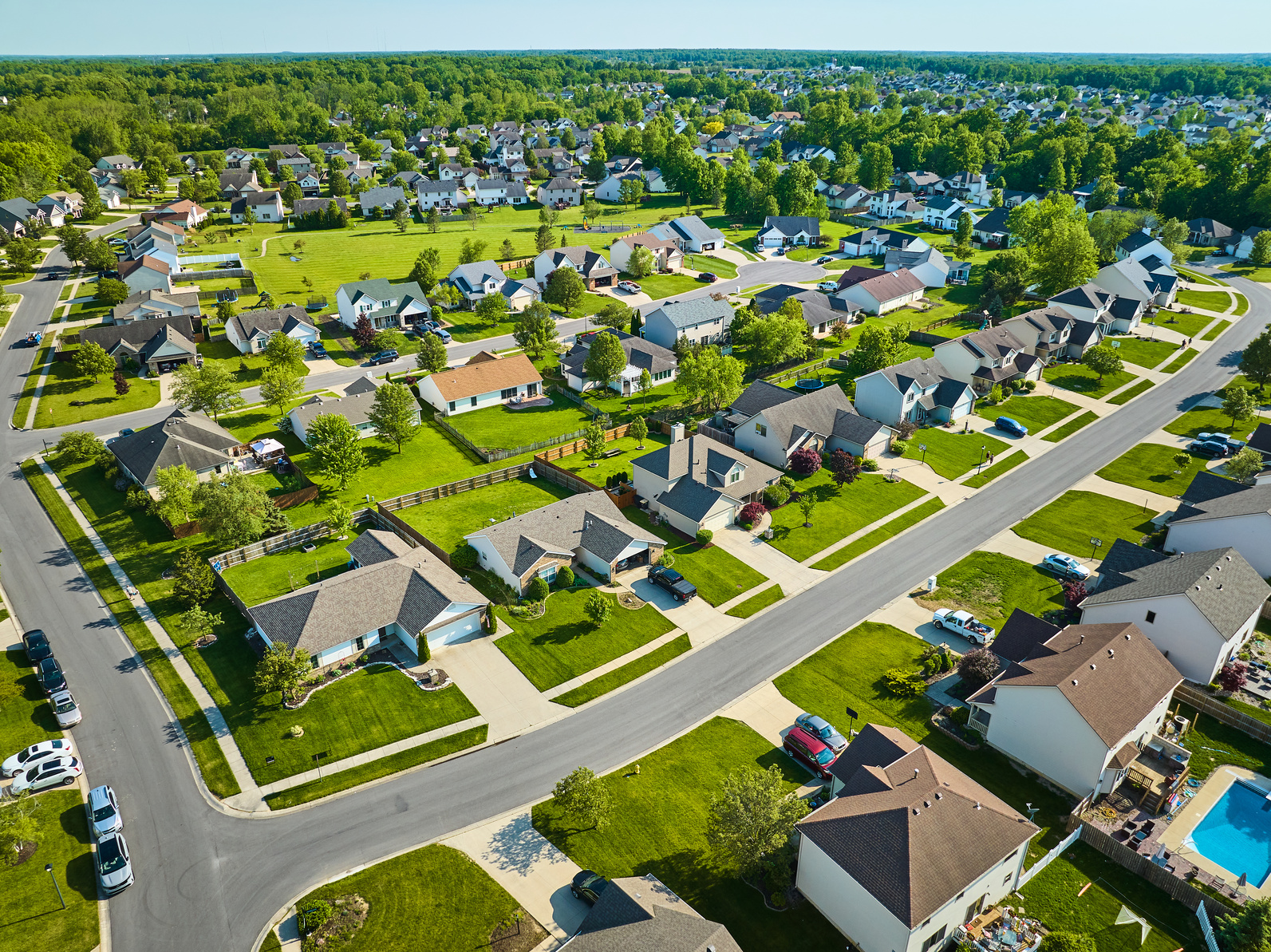
A comp is a recently sold home that a buyer would reasonably compare to yours. The closer the match, the more weight it deserves. Look for these traits:
- Close by. Same neighborhood or subdivision whenever possible. A different school zone, a busy road or a nearby change in surroundings can move value noticeably, even a few blocks away.
- Recently sold. The more recent the closing date, the better it reflects today’s market. Older sales matter less when conditions are changing.
- Similar size. Living area, number of bedrooms and bathrooms, and lot size should be in the same range as your property.
- Similar style and age. A single-story home built in a similar era generally compares better than a two-story home from a different period.
- Same property type. Compare single-family homes with single-family homes, not with condos, townhomes or multi-unit buildings.
- Arm’s-length sales. Be careful with sales between relatives, auctions or other unusual circumstances, which may not reflect normal market value.
Sold, Pending and Active: Which Ones Count?
Only closed sales prove what buyers actually paid. Active listings and pending sales still have value, but they play a supporting role:
- Sold: the foundation of your ARV.
- Pending: a hint about current demand, but the final price is not confirmed.
- Active: shows your future competition and where sellers are positioning their homes. If your ARV is well above comparable active homes, ask yourself why a buyer would choose yours.
- Price-reduced listings: a useful clue that the market pushed back on an asking price. We explain what that signal does and does not mean in what “price reduced” really means on an investment property.
Renovated vs. Unrenovated Comps
This is where many first-time flippers go wrong. ARV is the value of the finished home, so your strongest comps are homes that were sold in renovated, move-in-ready condition to the same standard you plan to deliver. A dated home that sold as-is is evidence of what the property is worth today, not what it can be worth after the work.
Be careful with the opposite mistake as well. If your renovation plan is a light cosmetic refresh, do not compare your home to a fully rebuilt one with high-end finishes. Match the level of finish to the level of work you will actually do.
Step-by-Step: How to Calculate ARV Using Sold Comps
- Describe your property clearly. Write down the living area, bedrooms, bathrooms, lot size, year built, garage, pool, and the condition after your planned repairs.
- Gather sold homes nearby. Use local listing data, public records and, ideally, a licensed real estate agent who can pull recent closed sales. Start close to the property and work outward only if you need more data.
- Select your best comps. Most investors aim for a small group of strong matches rather than a large pile of weak ones. Quality beats quantity.
- Compare feature by feature. Line up each comp against your property in a simple table: size, rooms, lot, age, condition, garage, pool, location.
- Adjust for the differences. If a comp has something your property lacks, its sale price is adjusted down. If your property has something the comp lacks, the comp is adjusted up. The goal is to estimate what the comp would have sold for if it were identical to your finished home.
- Review the adjusted values. Look at the range. If one comp is far from the others, look for a reason before including it.
- Choose a conservative ARV. Rather than reaching for the highest number, many investors lean toward the middle or lower end of the range and keep the best comps in mind as upside.
- Pressure-test it. Ask: if the market is a little slower when I finish, does this deal still work?
A Simple Comparison Template
Copy this layout into a spreadsheet or notebook and fill it in for each comp you consider:
| Feature | Your Property (After Repairs) | Comp 1 | Comp 2 | Comp 3 |
|---|---|---|---|---|
| Distance from property | n/a | |||
| Sale date | n/a | |||
| Living area | ||||
| Bedrooms / bathrooms | ||||
| Lot size | ||||
| Year built | ||||
| Condition at sale | Renovated | |||
| Garage / pool / extras | ||||
| Sale price | n/a | |||
| Adjustments (up or down) | n/a | |||
| Adjusted value | n/a |

Common ARV Mistakes to Avoid
- Using listing prices as proof. Asking prices are not sale prices. Rely on closed sales.
- Picking the highest comp. Cherry-picking the best-case sale to justify a deal is the fastest way to overpay.
- Comparing across boundaries. A comp across a major road, school boundary or very different neighborhood may not be a fair match.
- Using stale sales. Older data may not reflect today’s market.
- Ignoring condition. Mixing as-is sales and fully renovated sales without adjusting distorts the result.
- Counting upgrades buyers will not pay for. Not every improvement increases value in every neighborhood. Build for the buyers in that area.
- Forgetting that the market moves. ARV is a snapshot. Revisit it if weeks or months pass before you buy or sell.
What to Do When Good Comps Are Hard to Find
Not every neighborhood has a tidy set of recent, similar sales. Rural edges, areas with few renovated homes, and streets with unusual lot sizes can leave you with thin data. When that happens, you still have options, but you should be more cautious, not more optimistic:
- Widen the search in steps. Expand the distance or the time window a little at a time, and note every compromise you make. A comp that is both farther away and older than ideal deserves less weight.
- Look at similar neighborhoods. If a nearby area has comparable home styles, school access and price levels, it can serve as a reasonable backup.
- Ask a local agent. Agents who work the area daily often know about sales that never made it into a neat search result, such as homes that sold quickly after renovation.
- Lower your confidence, not just your number. If your comps are weak, build a bigger safety margin into the deal or consider passing on it.
How Market Conditions Change Your ARV
Comparable sales describe the past. Your finished home will be sold in the future, usually several months after you buy it. That gap matters, because markets do not stand still.
- When the market is heating up, recent sales may understate what your home could bring, but it is risky to count on that. Treat any rise as a bonus rather than a requirement for the deal to work.
- When the market is cooling, homes may take longer to sell and may need price reductions. Use more recent comps, include a longer selling timeline in your costs, and be more conservative with your ARV.
- When interest rates or buyer demand shift, the pool of buyers for a finished home can change quickly. Check how long similar renovated homes have been staying on the market.
- When new supply appears, such as a new construction community nearby, it can compete directly with your finished home.
A helpful habit is to look not only at what homes sold for, but also at how long they took to sell. A home that sold quickly suggests strong demand at that price. One that sat for a long time suggests the price may have been at the edge of what buyers would accept.
How ARV Connects to Your Offer
Once you have a defensible ARV, you can work backward. Start with the expected finished value, then subtract your renovation budget, your holding and financing costs, your selling costs, and the profit you need for the deal to be worthwhile. What remains is the most you can afford to pay for the home.
Different investors use different formulas, and a good number depends on your market, your experience and your risk tolerance. What matters is that every input is something you can explain and verify. If you are still deciding what kind of homes fit your plan, our guide to the house flipping process in Florida walks through the bigger picture.
Do Your Own Numbers Before You Offer
Nobody should ask you to buy a home based only on their ARV. When you work with a direct source, you should feel free to verify every number. Review the comps yourself, walk the property when access is available, get contractor estimates, and talk to your own agent, lender and attorney. We cover what buying direct actually means in We Are Direct — No Middlemen.
Frequently Asked Questions
How many comps should I use?
There is no magic number. Investors often work with a handful of strong, well-matched comps rather than a long list. If you cannot find good matches nearby, widen your search carefully and adjust for the differences.
How recent should the sales be?
The more recent, the better. In a stable market, somewhat older sales can still be useful. In a fast-changing market, give more weight to the newest closings.
Can I rely on an online home-value estimate?
Online estimates can be a quick starting point, but they often miss condition, upgrades and very local differences. Treat them as a rough reference, not as your ARV.
Should an agent or appraiser review my ARV?
A second opinion is valuable, especially when you are new to a market. A local licensed agent can help you find and interpret closed sales, and a lender may order a formal appraisal.
Does a strong ARV guarantee a profit?
No. ARV is an estimate. Actual results depend on the purchase price, renovation cost, timeline, financing and the market when you sell.
Ready to Run the Numbers on a Real Home?
Now that you know how to build an ARV, put it to work. Browse our available single-family homes, read the frequently asked questions about how buying from us works, or contact our team and tell us what you are looking for.
This article is for educational purposes only and is not financial, legal, tax, appraisal or real estate brokerage advice. Values, market conditions and loan terms change over time, and real estate investing involves risk, including the possible loss of capital. Always verify your own numbers and consult licensed professionals before making a purchase decision.